Community

Notes from the field

Product updates, growing advice and stories from the Grovabe community. Written for UK growers of every scale โ€” from a balcony of tomatoes to a family flock. Got a story or a tip worth sharing? We'd love to publish it.

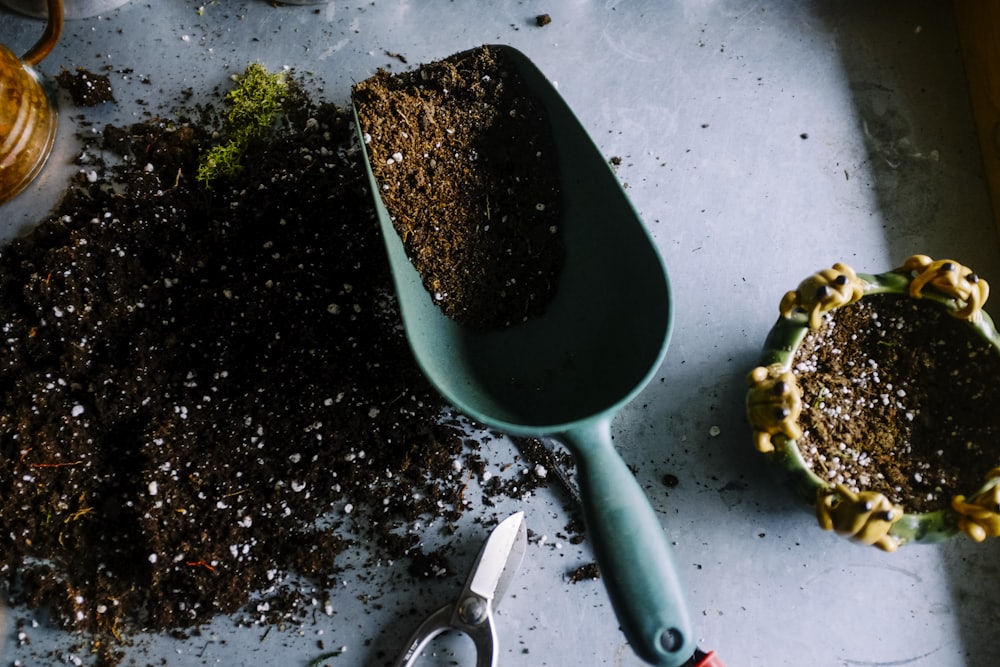
A scoop of potting compost beside seed trays

Care schedules & reminders are here

Every batch, field and flush in Grovabe now comes with a dated care plan, worked out from its age โ€” vaccinations and feed transitions by batch age, harvest and sell windows, scouting rounds, watering and weigh-ins. You'll find it on a new Schedule tab on every detail page, a farm-wide Tasks view of everything due in the next fortnight, and as gentle reminders in your alerts feed when something is two days out.

Two things we're proud of: the schedules are deterministic reference data, not AI guesses โ€” a hallucinated vaccination date loses stock, so every husbandry task carries a confirm-with-your-vet note instead. And the watering reminders check the weather first: if meaningful rain has fallen or is forecast, Grovabe stays quiet rather than nagging you to water in the rain.

Care schedules are available on all paid plans, across all three modules.

See your schedule
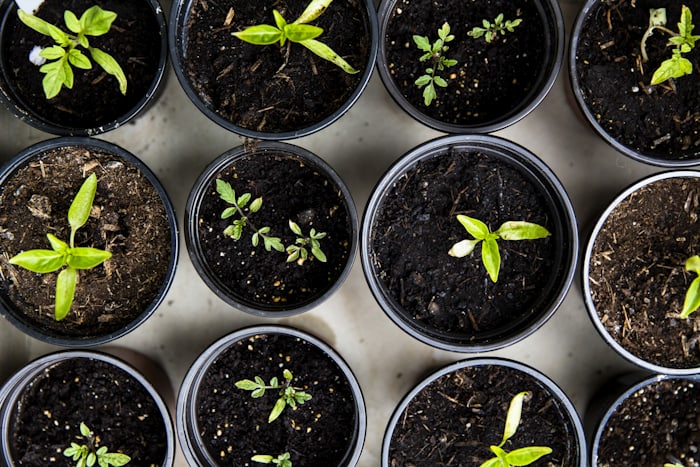
Seedlings growing in individual pots, ready to plant out

"In season now" โ€” so what can I plant right now?

Chillies are out of season by July. Grovabe's pickers now lead with what's actually sowable this month โ€” carrots, radish, lettuce, chard and more.

Continue reading

When you're choosing what to grow, the most useful question isn't "what's popular?" โ€” it's "what can go in the ground today?" So the crop and flower pickers now show an "in season now" chip group, built from each crop's UK sowing window and pinned above the popularity and climate suggestions.

As ever, it's advice, never a filter: the full list stays open below, and when nothing is in season โ€” midsummer is a quiet moment for ornamentals โ€” the chips simply stay out of your way rather than inventing a suggestion.

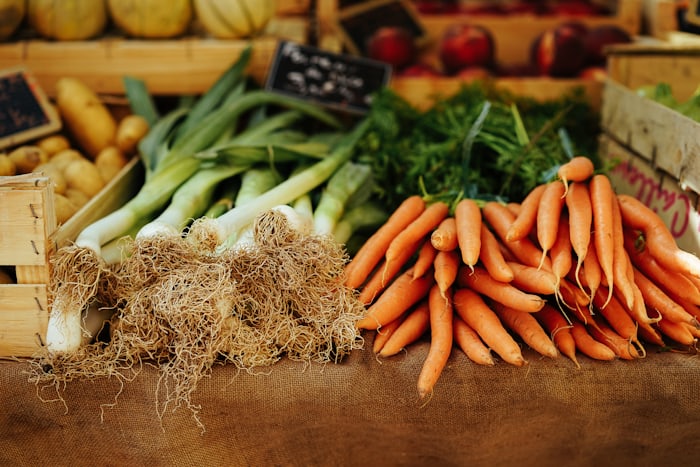
Market stall with leeks and carrots

"Popular near you" โ€” planted by real growers in your county

Grovabe's setup pickers now show what growers near you actually plant and keep โ€” pooled from real Grovabe farms in your county.

Continue reading

There's no pretending here: the chips only appear once at least five distinct farms in your county grow something, so a "popular" label always reflects real neighbours, never a guess โ€” and never any one farm's private data. Alongside it, the "well suited to your area" chips reflect your climate band. Both are advice, never a filter: the full list is always there, and a Highland grower can still pick chillies.

If your county's chips are empty, that's honesty, not a bug โ€” it fills in as more growers near you join.

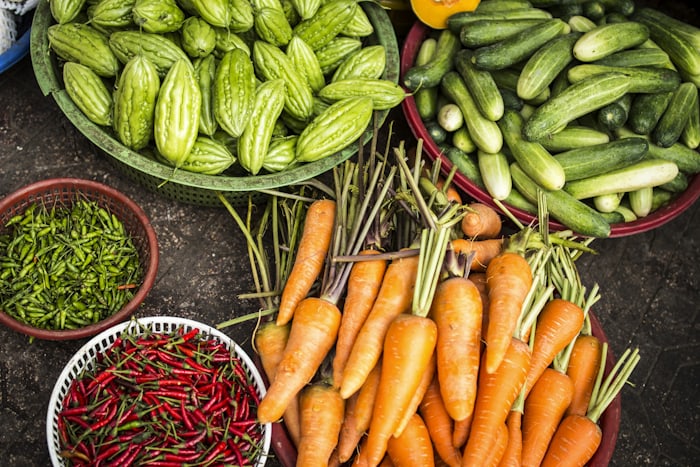
Bowls of chillies, cucumbers and carrots

When to sow chillies in the UK โ€” and why cover changes everything

Chillies are sown January to March in the UK, and they barely ripen outdoors here. Whether you grow under cover is the most consequential fact about your setup.

Continue reading

A chilli sown in March in a heated propagator, potted on into a polytunnel, will give you ripe fruit by late summer. The same plant outdoors will usually sulk to a few green pods before the season closes. If you're serious about heat-lovers โ€” chillies, aubergines, most tomatoes โ€” some kind of cover is the single best investment you can make.

That's exactly why Grovabe asks whether you grow outdoors, in a greenhouse or in a polytunnel, and shapes its advice around the answer โ€” including being honest, in the Land planner, about which revenue figures only exist under glass.

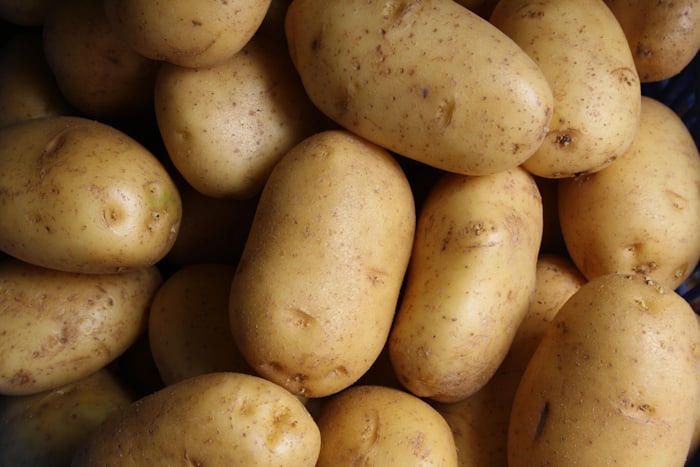
Freshly harvested potatoes

The Hutton Criteria: how our blight alerts really work

There's no registry of plant-disease outbreaks โ€” so Grovabe forecasts pressure from the weather at your location, using the same trigger behind national blight alerts.

Continue reading

A "Hutton day" is one where the minimum temperature stays at or above 10ยฐC and the air spends at least six hours at 90% humidity or more. Two consecutive Hutton days and the conditions favour late blight โ€” that's when Grovabe raises a warning for your potatoes and outdoor tomatoes.

Note the wording: conditions favour โ€” go and scout. It's a forecast, not a detection, and we'll never dress one up as the other. The hour-by-hour humidity matters too: a daily average smooths away the overnight humid spell that actually drives infection, so we watch the hours.

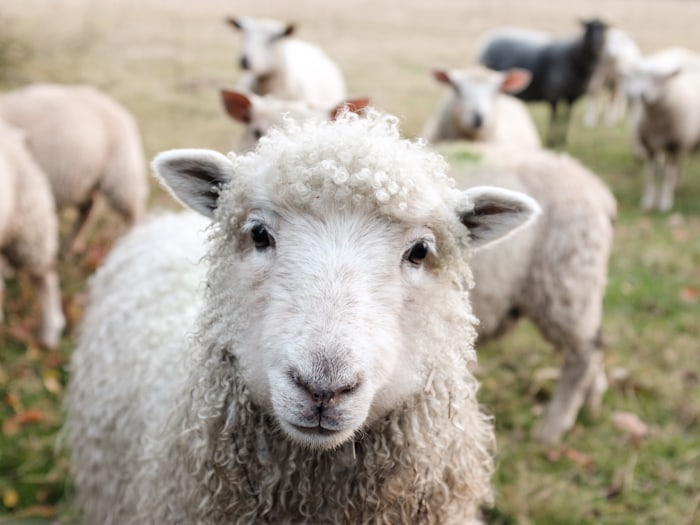
A sheep looking at the camera in front of its flock

Disease-zone alerts, straight from APHA

Grovabe now checks daily whether your farm sits inside a live APHA bird flu or bluetongue restriction zone โ€” your exact location against the official data.

Continue reading

This is a fact-check, not a forecast: APHA publishes its live restriction zones, and Grovabe asks a precise question โ€” is this farm inside one? Alerts are filtered by species (bluetongue reaches ruminants; bird flu, poultry), so your feed never cries wolf. And a zone alert only clears when the restriction actually lifts at the source โ€” never on a timer.

If an alert does land, Farma knows about the zone when you ask what it means for your stock โ€” and for anything serious, it will point you to your vet and APHA's official guidance.

A row of potted plants growing on a balcony windowsill

Frost on the forecast? A container grower's checklist

A frost that never makes the county-wide warnings can still take out every seedling on a balcony. Here's what to do when Grovabe says tonight's the night.

Continue reading

Move what you can move โ€” containers are the one advantage you have, so tender plants come inside or against a house wall, which can run a couple of degrees warmer. Cover what you can't: fleece, an upturned pot, even newspaper buys several degrees. Water the compost in the afternoon โ€” moist compost holds heat better than dry โ€” and resist unwrapping too early; a bright morning after a frost is when the damage often happens.

Grovabe's weather agent checks the forecast for your location every hour and warns you the afternoon before, because a frost you hear about at 11pm is a frost you can't do much about.

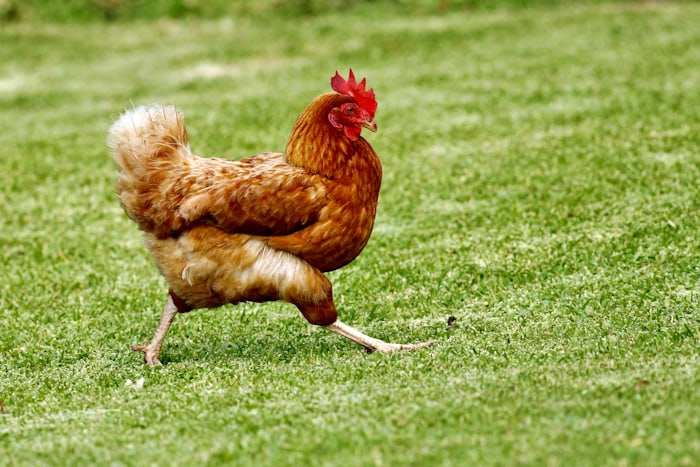
A hen on grass

Reading a mortality spike before it becomes a bad week

Losses drift up quietly. The trick is comparing today against the batch's own recent normal โ€” which is exactly what Grovabe's agent does, every 15 minutes.

Continue reading

A single bad day happens to every keeper. What matters is whether today is genuinely out of line for this batch โ€” which is why Grovabe compares today's losses against the batch's own trailing 7-day average rather than a generic threshold. When today runs at double the trend or worse, that's a pattern, and you get a critical alert with the reasoning spelled out.

When one lands: check water first (a failed drinker line shows up in mortality fast), then feed, then house temperature โ€” all three are on your batch's chart in Grovabe, so the story is usually right there. And for anything that looks like disease, ring your vet; Farma will tell you the same.

Share what you're growing

Balcony triumphs, allotment disasters, flock wisdom โ€” the Community page runs on real growers' stories and questions. Send us yours and we'll feature the best.